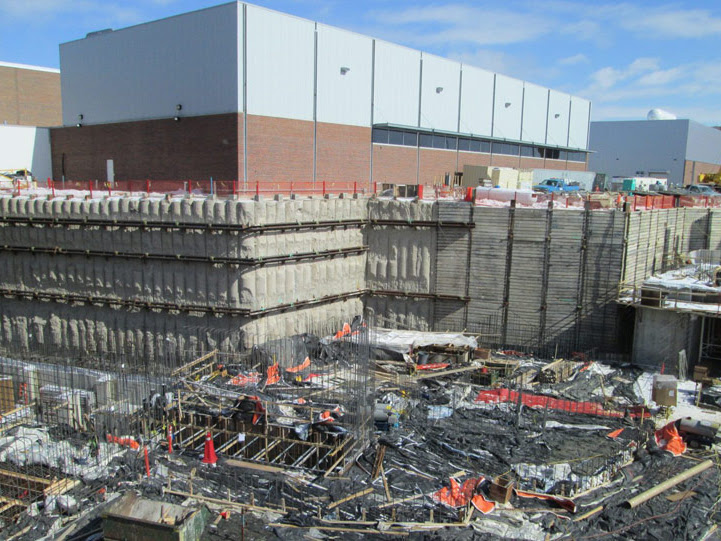
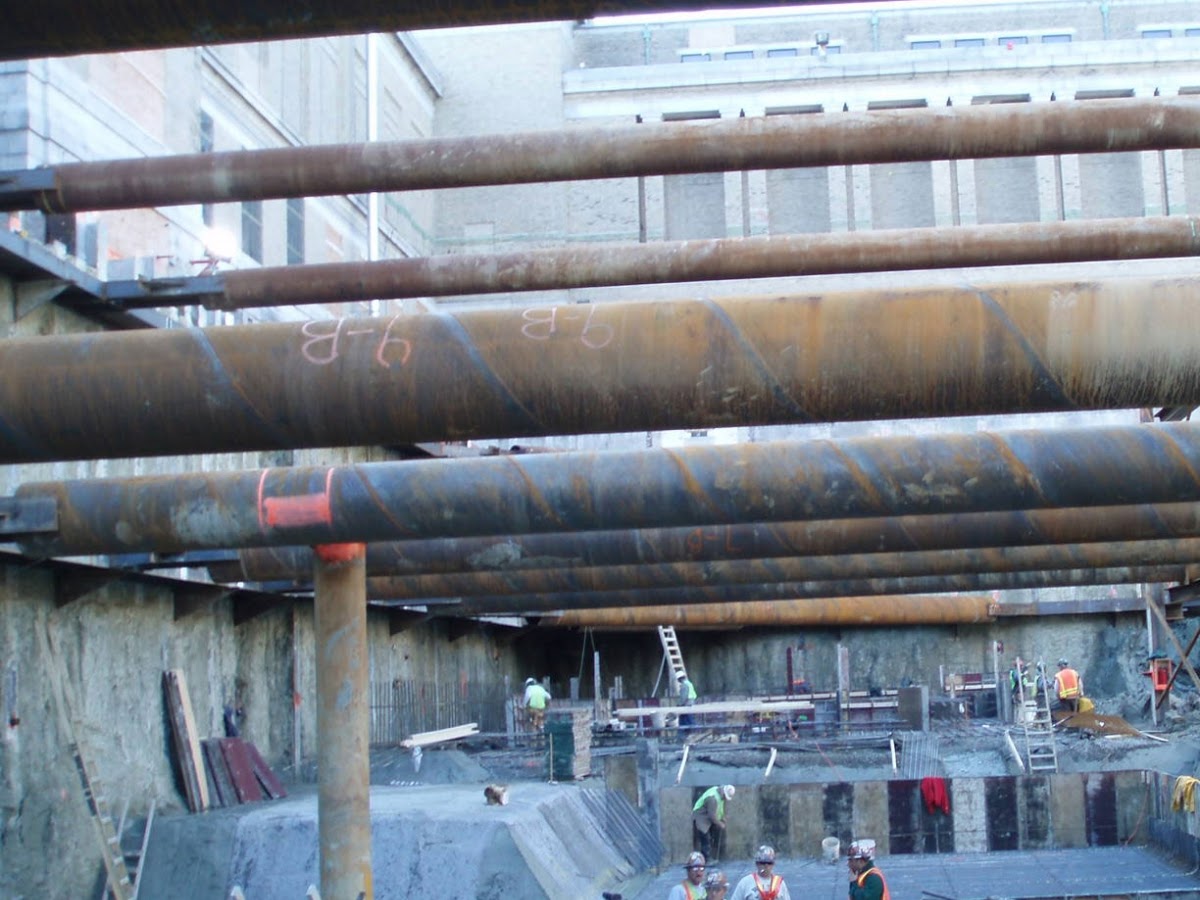
One of America’s most accomplished design-build contractors, Schnabel creates excavation support systems and anchored retaining walls by using tiebacks to provide reliable lateral resisting force.
Secant pile walls are constructed by drilling in a series of alternating primary (drilled first) and secondary (drilled second) overlapping shafts to form a continuous secant wall. The concrete in the shafts can be all low-strength, all high-strength, or a combination of low-strength primary and high-strength secondary shafts. Steel piles or reinforcing steel are typically placed in the secondary shafts. Unreinforced high-strength shafts can also be constructed in a self-supporting circular ring, such as those frequently used for access shafts to tunnels.
Proper soil mixing is an essential step in creating durable earth-retention solutions. When done correctly, the mixing process yields a soilcrete mixture that has both increased strength and reduced permeability. Learn more here => https://posts.gle/udNEd
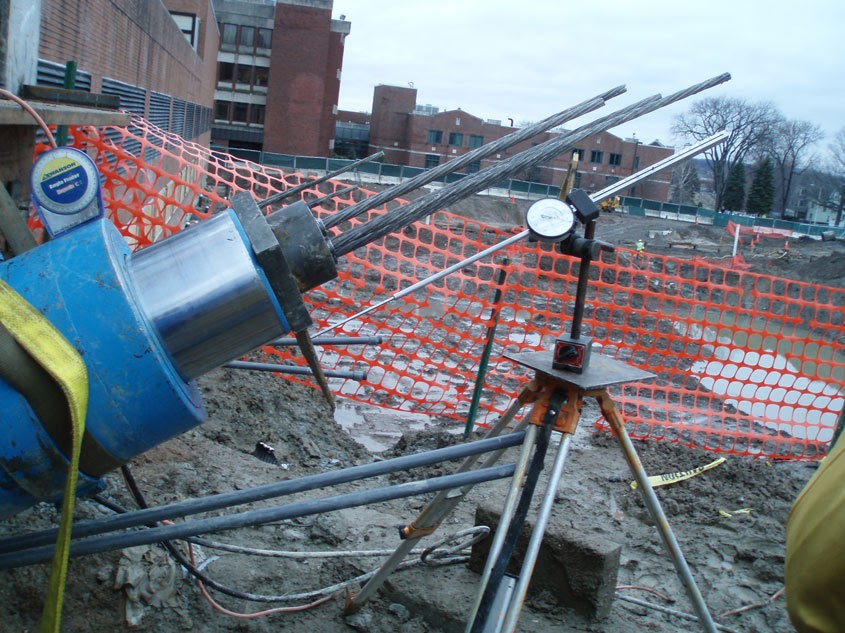
Tiebacks are used to provide the lateral resisting force for many of the excavation support systems and anchored retaining walls that Schnabel builds. They are constructed by grouting a high strength steel bar or strand bundle into the soil or rock behind the failure surface of the retaining wall. After the grout has cured, every tieback is tested, and the load is locked in to limit movement. Learn more: https://posts.gle/s3Ekj

Comments
Post a Comment